
Transmission and distribution Solution
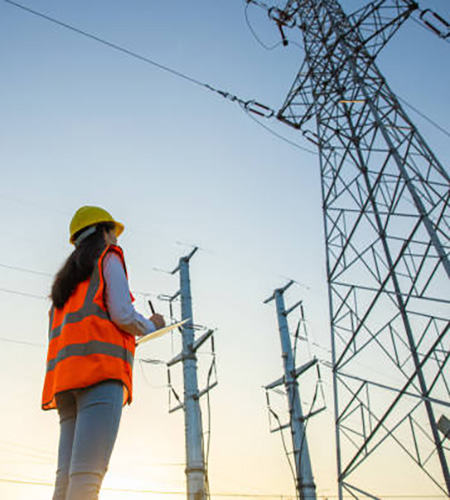
The means and procedures used to move electrical energy from power plants to customers are referred to as power distribution and transmission. To supply electricity to residences, companies, and other end users, these procedures require the utilization of an intricate network of power lines, transformers, substations, and other machinery. Power plants normally produce high voltage AC (alternating current) energy as their primary source of power. High voltage transmission lines are used to transport this high voltage power over great distances to step-down transformers, which lower the voltage to levels appropriate for consumer distribution. From there, a system of medium- and low-voltage distribution cables and transformers distributes the electricity to houses and commercial buildings.
