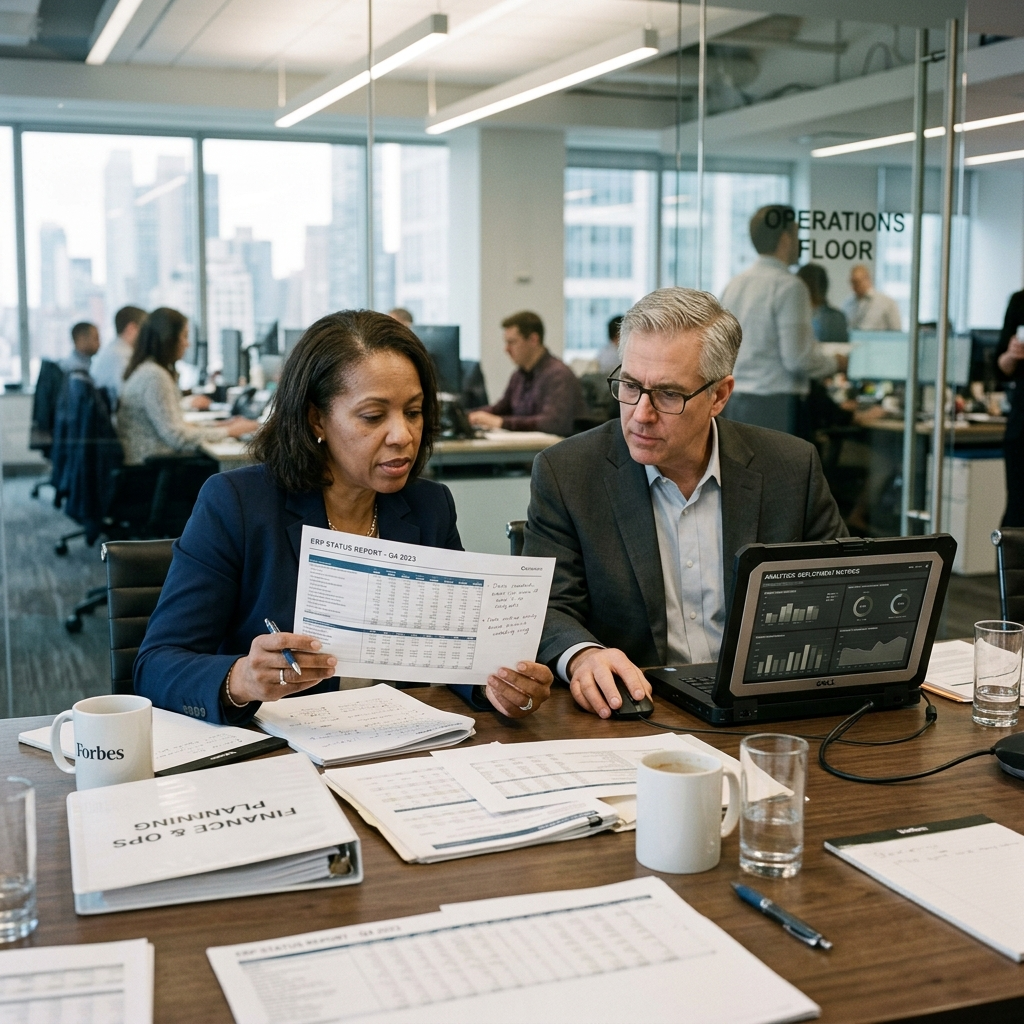
Security operations often begin with a workaround. One person, one platform, and a set of responsibilities that were never formally designed. For a while, this can look manageable. Then the volume grows, the client base expands, and leadership notices the gap.
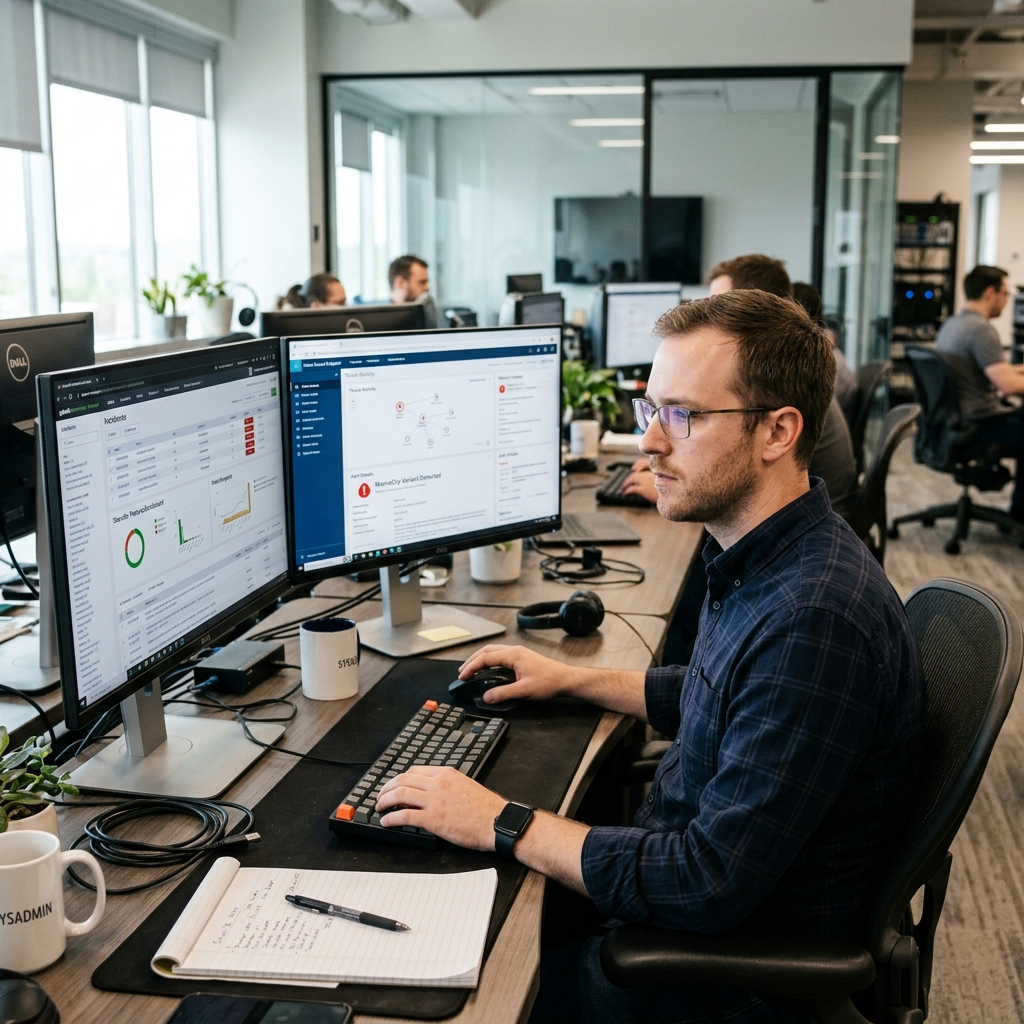
In many organizations, the response is not to hire a dedicated security function. It’s to reassign internal staff—often sysadmins or IT generalists—into monitoring rotations. The reasoning is usually practical: use what we already have. The outcome, in practice, is often different.
The first issue is procedural. A security alert is only useful if there’s a documented path for what to do with it. Who reviews it, how it’s escalated, what qualifies as critical, and how the response is recorded. Without that structure, a rotation of people watching a dashboard is not a security operation. It’s a waiting pattern.
The second issue is platform design. Forcing a single-tenant tool to operate as multi-tenant is a common shortcut in smaller operations. It appears to work in demos and early stages. But over time, the data boundaries become unclear. Access controls get stretched. Client separation becomes dependent on manual discipline rather than system architecture. In an audit or an incident, that dependency tends to surface.
The third issue is accountability. When someone is reassigned into a security role without proper training, they inherit responsibility without the context to carry it. A missed alert during a weekly rotation becomes a difficult conversation about who was actually responsible—the individual watching the screen, the process that put them there, or the leadership that chose not to staff the function properly.
None of this is an argument against cross-training or internal mobility. It’s an argument for treating security operations as a designed function. Escalation paths, alert-handling procedures, role definitions, and platform architecture all need to be addressed before people are rotated in.
For founders and operations leaders, the practical takeaway is straightforward. If security monitoring has become important enough to demand dedicated coverage, it has become important enough to design properly. That may mean hiring. It may mean investing in the right platform. It may mean documenting the process before assigning the people.
What it rarely means is solving a structural gap with a rotation schedule.