Technical talent in operations and infrastructure is often treated as replaceable. Post a role, list the required tools, and assume the pipeline will fill. In practice, this overlooks something important: the knowledge that keeps enterprise systems running is accumulated, not downloaded.
After more than a decade in Linux administration, cloud infrastructure, and production operations, many experienced engineers are finding that the ground keeps moving. Containers replaced VMs. Kubernetes replaced manual orchestration. GitOps replaced change tickets. AI is now shifting both tooling and hiring expectations. None of this is inherently wrong. But the pace creates a practical problem that leadership teams rarely account for.
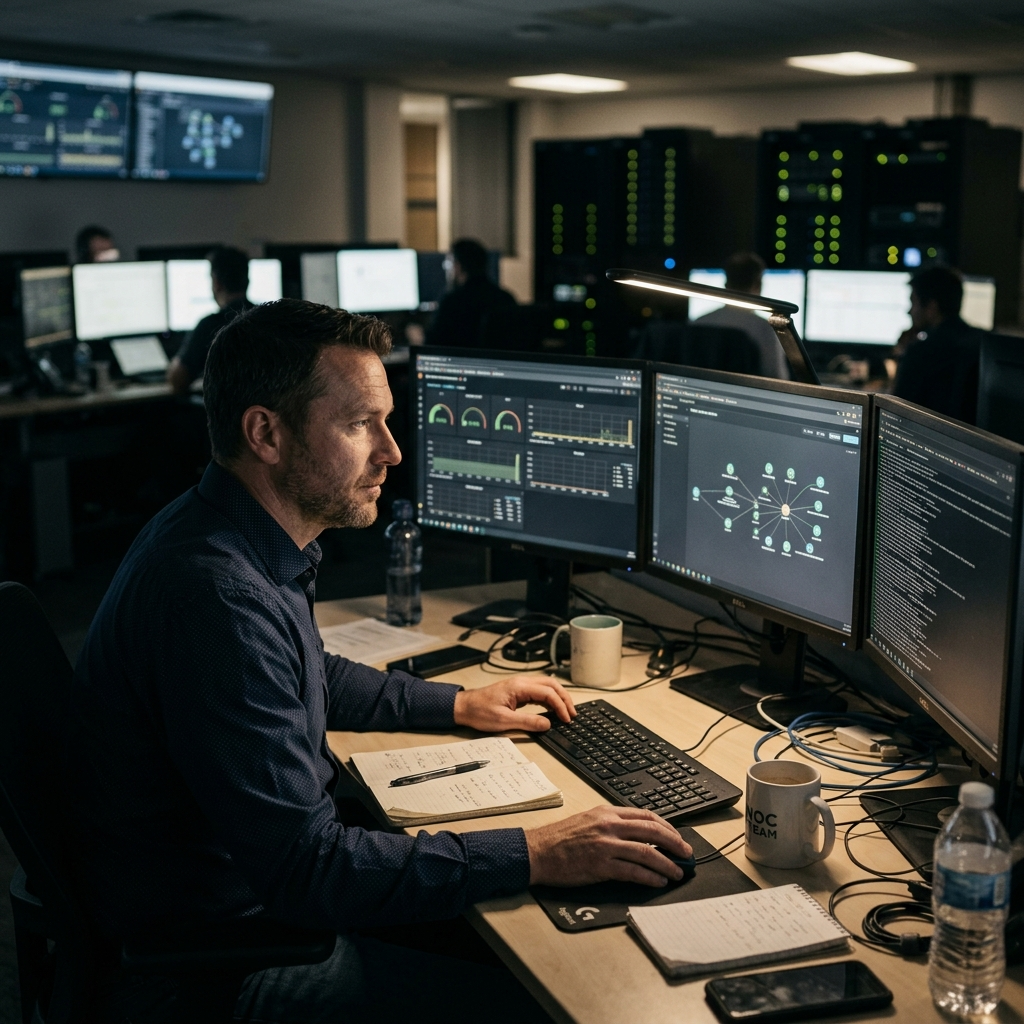
When an experienced operator leaves — or steps back because the constant churn becomes unsustainable — the organization does not lose a checklist of skills. It loses the instincts that come from years of incidents, migrations, and production failures. That kind of knowledge is difficult to document and almost impossible to replace quickly.
There is also a retention dimension. Engineers who spend years learning systems that become obsolete every few years eventually ask a reasonable question: how much of this learning will still matter in three years? If the answer is unclear, motivation erodes. Not because people are unwilling to learn, but because the return on that learning feels uncertain.
Organizations that manage this well tend to do a few things differently. They distinguish between capability and tooling. They invest in people who understand systems, not just the current stack. They create room for operational knowledge to transfer before it walks out the door. And they treat technical retention as a continuity issue, not an HR metric.
For founders and operations leaders, the implication is practical. Before adopting another platform or layering another tool, ask whether the team has the stability and capacity to absorb it. The systems are only as reliable as the people who understand them. When that understanding leaves, the operational risk belongs to the business, not the tooling.